


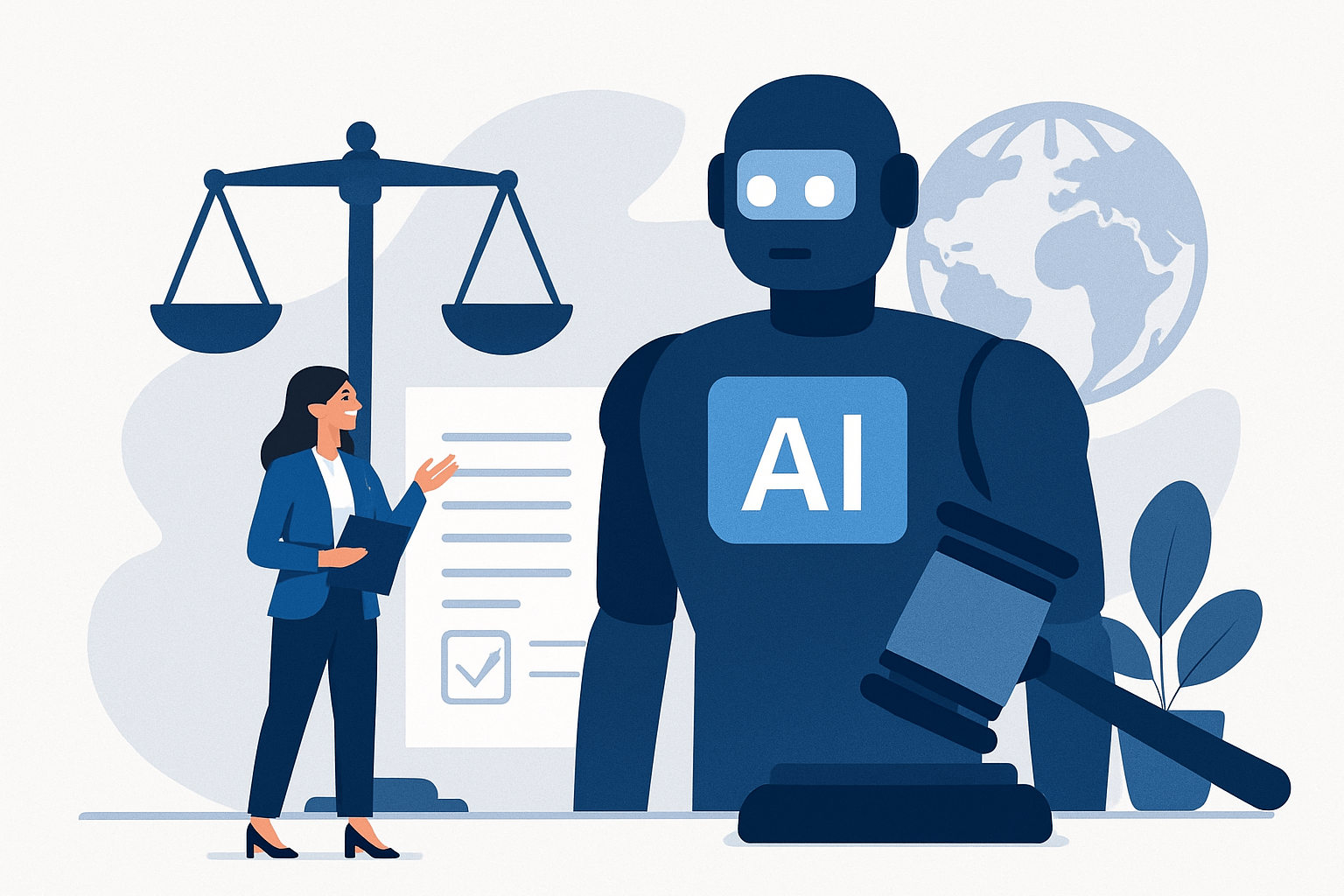


AI Regulation Global Update: What New Laws Mean for Practitioners and Employers
Artificial Intelligence (AI) is increasingly becoming integral across industries, bringing profound changes in workflows, decision-making, and innovation. However, this rapid growth necessitates a robust framework to govern its deployment and ensure ethical use. What does this global push for AI regulation mean for practitioners and employers? Let’s delve into the latest developments and their implications for the AI-driven job market.
Key Takeaways:
- AI regulation aims to ensure responsible and ethical use of AI technologies globally.
- Understanding new AI laws is crucial for practitioners and employers to stay compliant.
- AI governance jobs are on the rise, catering to a need for specialized roles.
- Leveraging AI tools responsibly is pivotal for sustainable industry development.
Last Reviewed: May 13 | Sources: DrJobPro AI Hub Data, Industry Reports 2026
The Need for AI Regulation
AI technologies have transformed industries from healthcare to finance, automating processes and driving efficiencies. However, these advancements bring challenges such as data privacy, job displacement, and ethical dilemmas, urging governments and regulatory bodies to impose new laws.
Overview of New AI Laws
Understanding the global landscape of AI regulation is crucial for anyone involved in the industry. Recent legislation focuses on:
1. Data Privacy and Security
AI systems heavily rely on enormous datasets. The European Union's General Data Protection Regulation (GDPR) sets a precedent for data privacy, impacting how AI solutions manage personal data. Other regions are enacting similar frameworks to safeguard personal information.
2. Bias and Fairness
AI algorithms can unintentionally perpetuate biases present in training data. New legislations in the U.S. and EU aim to mitigate these biases by mandating transparency and accountability in AI systems, particularly in sectors like hiring and credit scoring.
3. Autonomous Decision-Making
The use of AI in autonomous systems, such as self-driving cars and drones, demands robust safety protocols. Legislation is being crafted to outline responsibilities and liabilities in case of malfunctions or accidents.
How New AI Regulations Affect Careers
The evolving regulatory landscape creates both challenges and opportunities for AI professionals. Here's how these trends influence careers and hiring:
Rise in AI Governance Jobs
The demand for AI governance professionals is anticipated to surge. These roles focus on ensuring AI compliance, ethical implementation, and managing regulatory risk. Titles may include AI Compliance Officer, Data Protection Specialist, and AI Ethics Consultant.
| Job Title | Average Salary (USD/year) | Required Experience (Years) |
|---|---|---|
| AI Compliance Officer | $92,000 | 5 |
| Data Protection Specialist | $88,000 | 3 |
| AI Ethics Consultant | $105,000 | 7 |
Skill Shift: From Development to Oversight
While developing AI solutions remains crucial, there's a growing emphasis on oversight roles. Skillsets are shifting towards understanding regulatory frameworks, ethical AI principles, and risk management.
Enhanced Need for Cross-Disciplinary Talent
Future AI teams will benefit significantly from having members with knowledge in both AI technology and legal regulations. This intersection ensures AI models are built with regulatory compliance in mind from the start.
AI Tools: Balancing Innovation and Compliance
AI tools that provide flexibility, transparency, and control are more in demand as organizations navigate regulatory waters. Understanding and deploying such tools responsibly is essential for sustainable growth.
Practical Steps for Employers
For employers navigating this evolving space, it’s critical to stay informed and proactive. Here are some recommended steps:
- Stay Educated: Regularly update your knowledge on AI legislation trends through reliable platforms such as the DrJobPro AI Hub Community.
- Invest in Compliance: Consider AI governance positions as strategic investments to steer clear of legal repercussions.
- Foster Ethics in AI: Building an ethical framework within your AI development processes can reduce liability risks.
FAQs
1. What is the primary focus of recent AI regulations?
Recent AI regulations concentrate on data privacy, bias mitigation, and the ethical deployment of AI technologies, particularly in decision-making processes.
2. How do AI regulations impact job opportunities in the AI industry?
AI regulations give rise to new job opportunities in governance and compliance, emphasizing the need for roles dedicated to ensuring adherence to ethical and legal standards.
3. Why are AI governance jobs becoming more important?
As AI technologies become widespread, governments implement stricter regulations. AI governance jobs are vital to bridge the gap between AI innovation and compliance requirements.
4. How can companies ensure their AI tools are compliant?
Companies can ensure compliance by investing in AI governance roles, staying updated with international regulations, and utilizing AI tools designed with transparency and control.
5. Where can I find AI governance jobs?
Explore AI governance job opportunities at DrJobPro AI Hub Talent, a dedicated platform for AI careers.
Conclusion
The evolving landscape of AI regulations presents a complex yet promising future for practitioners and employers. By staying informed and adapting to new legal requirements, organizations can harness the power of AI ethically and responsibly. Employers seeking compliance and governance expertise can find the right talent at the DrJobPro AI Hub Talent. Stay ahead in the AI industry by embracing these changes and fostering an environment that values ethical innovation.
Frequently Asked Questions
What are the recent developments in AI regulation globally?
Recent developments in AI regulation include the introduction of comprehensive laws in various countries aimed at ensuring ethical use and accountability in AI systems. These regulations focus on data privacy, transparency, and the prevention of bias in AI algorithms.
How do new AI regulations affect employers?
New AI regulations require employers to adopt responsible AI practices, ensuring compliance with legal standards related to data usage and employee rights. This may involve implementing training programs and adjusting hiring processes to align with regulatory requirements.
What should practitioners know about AI laws?
Practitioners should be aware of the specific regulations that apply to their industry, as compliance is crucial for legal and ethical AI deployment. Understanding these laws will help practitioners navigate risks and leverage AI technologies effectively.
Are there penalties for non-compliance with AI regulations?
Yes, penalties for non-compliance with AI regulations can include hefty fines, legal action, and reputational damage. Organizations may also face operational restrictions or be required to halt AI projects until compliance is achieved.
How can companies prepare for upcoming AI regulations?
Companies can prepare for upcoming AI regulations by conducting thorough audits of their AI systems, investing in compliance training for staff, and staying informed about legislative changes. Engaging with legal experts can also help ensure that their practices align with new laws.

 2026-05-14
 2026-05-14
 2026-05-14
 2026-05-14
 2026-05-14


