





AI Freelancing vs. Full-Time Employment: What Actually Pays More in 2026
Navigating the job market with AI skills requires a carefully crafted blueprint that maximizes both career growth and income potential. As we move towards 2026, understanding the different avenues of AI income, especially the choice between freelancing and full-time employment, becomes critical. This article delves into the myriad factors influencing AI work models, providing insights into AI portfolio creation, securing AI jobs, and thriving in the AI talent marketplace.
Key Takeaways
- The demand for AI professionals is surging, with both freelancing and full-time roles offering lucrative opportunities.
- Building a strong AI portfolio is essential to attract employers or clients.
- The AI talent marketplace is redefining how professionals showcase and monetize their skills.
- Freelancing offers flexibility, but full-time roles provide stability and benefits.
- Understanding the nuances of AI freelancing vs full-time is crucial for career advancement.
Last Reviewed: May 14 | Sources: DrJobPro AI Hub Data, Industry Reports 2026
Understanding AI Portfolio Creation
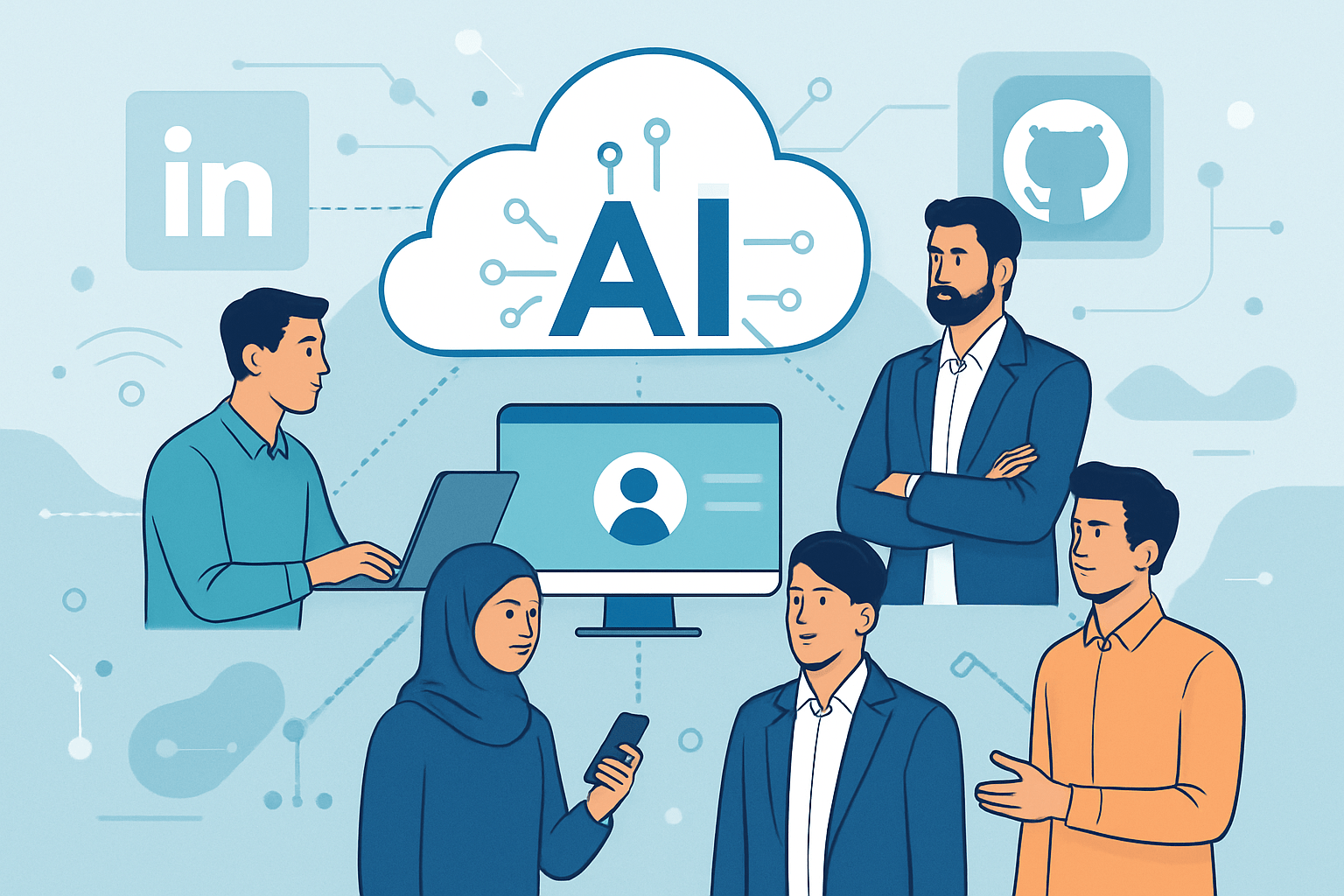
A fundamental stepping stone for any AI professional is crafting a robust portfolio. Whether you choose to freelance or pursue full-time opportunities, your portfolio is your calling card in the competitive AI talent marketplace. It should highlight practical projects, underline your AI skillset, and showcase your ability to solve complex problems.
Essential Components of an AI Portfolio
- Project Repositories: Host your projects on platforms like GitHub, demonstrating your coding skills and problem-solving capabilities.
- Certifications and Education: Include relevant certifications and educational backgrounds to establish credibility.
- Case Studies: Provide detailed analyses of projects you've worked on, illustrating the process and results.
- Client Testimonials: For freelancers, showcasing client feedback can enhance trustworthiness.
By thoroughly developing these elements, you ensure that potential employers or clients can quickly recognize your value in the AI domain.
The AI Talent Marketplace and Getting Hired
Navigating the AI talent marketplace requires understanding what employers are looking for. Platforms like DrJobPro's AI Hub have become indispensable, connecting skilled individuals with companies in need of AI expertise. These marketplaces simplify hiring processes and allow freelancers to build their client bases efficiently.
Tips for Getting Hired with AI Skills
- Specialize in High-Demand Areas: Machine learning, natural language processing, and AI ethics are increasingly sought-after skills.
- Optimize Your Online Presence: Ensure that your profiles are up-to-date and reflect your skills and achievements.
- Engage in Community Forums: Participating in AI discussions can expand your network and enhance your industry insights.
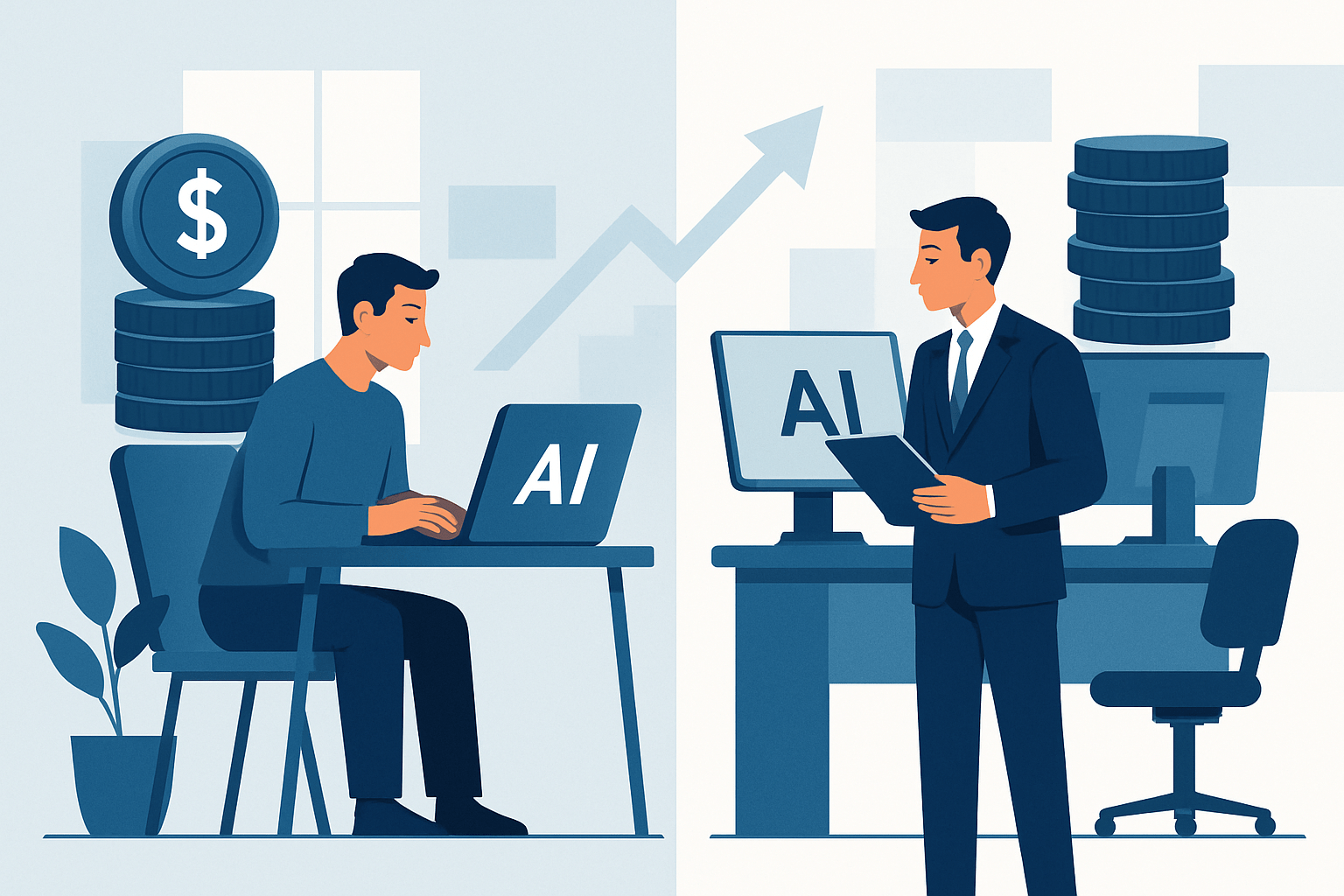
AI Freelancing vs Full-Time: A Comparative Income Analysis
The choice between freelancing and full-time employment significantly impacts your potential earnings and work-life balance. To make an informed decision, evaluate the pros and cons relative to your personal circumstances and career goals.
Income Comparison: AI Freelancing vs Full-Time Employment
| Criteria | Freelancing | Full-Time Employment |
|---|---|---|
| Earnings Potential | Potentially higher, variable income | Stable, often with annual increments |
| Flexibility | High, control over projects and timing | Limited, fixed schedules |
| Security & Benefits | Low, no employer-backed benefits | High, includes health and retirement |
| Skill Development | Diverse projects, rapid skill growth | Deep dive into organization-specific skills |
| Work-Life Balance | Varies, can adjust to personal needs | Stable, but less personal time control |
Predicting Trends for 2026
With the AI landscape continuously evolving, both freelancing and full-time roles in the field are becoming more lucrative. However, freelancers can potentially earn more due to the rising demand for specialized skills and project-specific engagements. Meanwhile, full-time positions offer greater job security and access to comprehensive benefits.
Career Growth: Maximizing Potential in AI
Whether you choose to freelance or pursue a full-time role, career growth remains a priority. It's crucial to continually update your skills, stay abreast of industry trends, and leverage all available resources to remain at the forefront of the AI profession.
Strategies for Career Advancement
- Continuous Learning: Online courses and workshops in emerging AI fields keep your skills relevant.
- Networking: Attend seminars and conferences to meet industry leaders and potential collaborators.
- Mentorship: Seek guidance from experienced professionals to navigate your career path.
FAQs
Q1: Is freelancing more profitable than full-time employment in AI?
A1: While freelancing can be more profitable due to higher project rates, it also comes with income variability. Full-time jobs provide consistent salaries and benefits, offering a different kind of financial security.
Q2: How do I start creating an AI portfolio?
A2: Begin by documenting your projects and skills on platforms like GitHub. Add certifications and case studies to showcase your expertise and problem-solving capabilities.
Q3: Which AI skills are currently in highest demand?
A3: Skills in machine learning, natural language processing, and AI ethics are highly sought after as AI technologies evolve.
Q4: Can a freelancer achieve work-life balance in AI?
A4: Yes, freelancing offers flexibility, allowing individuals to manage their schedules and differentiate between work and personal life, though it requires self-discipline.
Q5: What are the key benefits of full-time AI jobs?
A5: Full-time positions ensure job stability, regular income, and comprehensive benefits such as health insurance and retirement plans.
Conclusion
Choosing between AI freelancing and full-time employment demands a comprehensive understanding of what each work model offers. By assessing income potential, work-life balance, and growth opportunities, you can make an informed decision that aligns with your career aspirations. For more guidance and to continue your journey in the AI field, visit the DrJobPro AI Hub Talent Marketplace.
Frequently Asked Questions
What are the benefits of AI freelancing compared to full-time employment?
AI freelancing offers flexibility in work hours and project selection, allowing individuals to choose projects that align with their interests and skills. Additionally, freelancers often have the potential to earn more per hour than salaried employees, depending on their expertise and demand.
How does income from AI freelancing compare to full-time jobs in 2026?
In 2026, income from AI freelancing can vary widely based on experience, client base, and market demand, but it may surpass full-time salaries for highly skilled freelancers. However, full-time employment typically provides benefits such as health insurance and retirement plans, which should be considered when comparing overall compensation.
What skills are most in demand for AI freelancers in 2026?
In 2026, skills such as machine learning, natural language processing, and data analysis are expected to be in high demand for AI freelancers. Additionally, proficiency in programming languages like Python and familiarity with AI tools and frameworks will enhance a freelancer's marketability.
What factors should I consider when choosing between AI freelancing and full-time employment?
When deciding between AI freelancing and full-time employment, consider factors such as job security, income stability, work-life balance, and personal career goals. Freelancing may offer more flexibility, while full-time roles often provide structured growth and benefits.
Will AI freelancing continue to grow in popularity through 2026?
Yes, AI freelancing is expected to continue growing in popularity through 2026 as more companies seek specialized skills for short-term projects. The rise of remote work and the gig economy also contribute to the increasing acceptance of freelance roles in the tech industry.

 2026-05-14
 2026-05-14
 2026-05-14
 2026-05-14
 2026-05-14


