


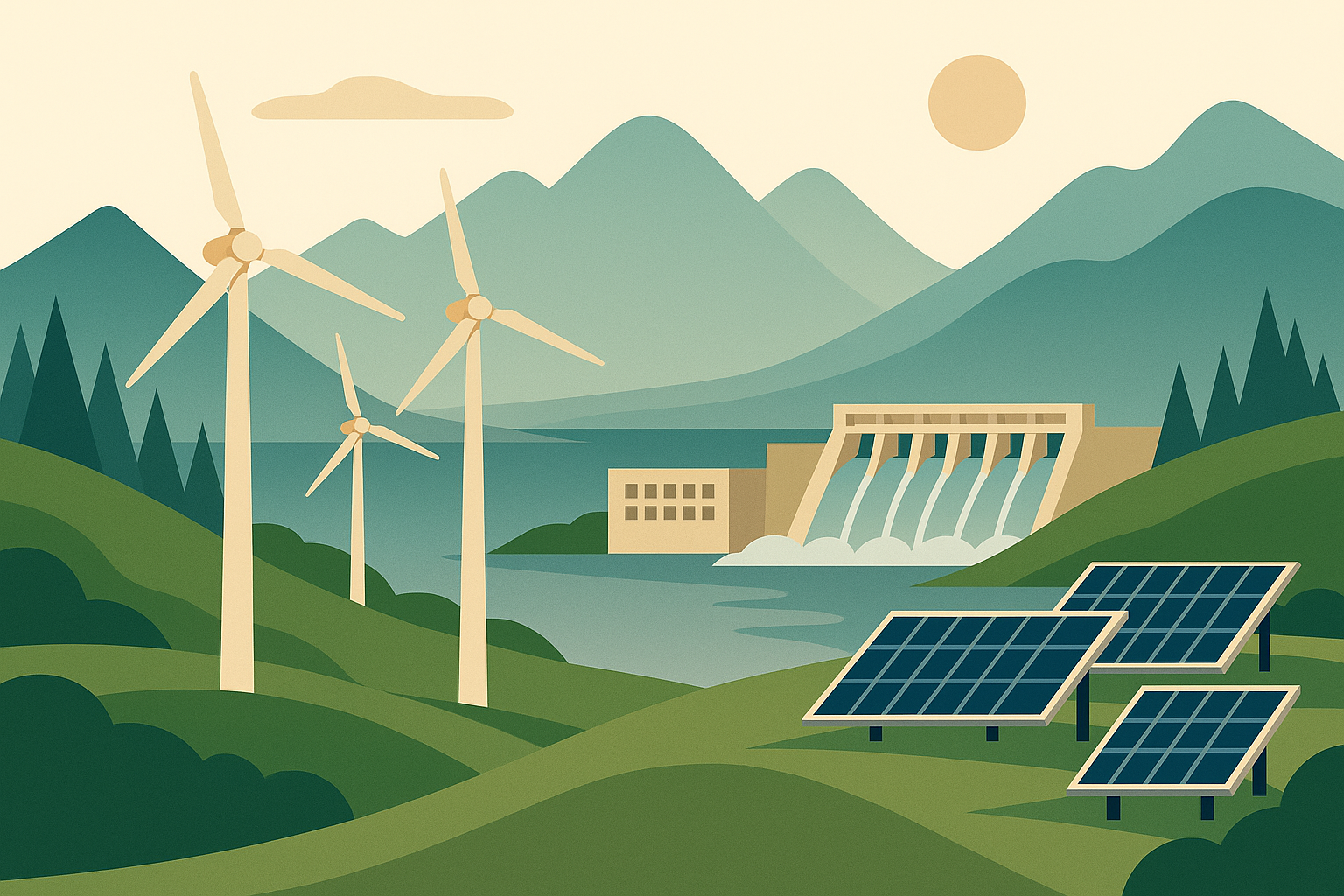


A career in the power and utility sector offers a path to stability, competitive pay, and a deep sense of purpose. As an essential industry, it is a foundation of modern society, providing reliable energy and services. It is also an industry undergoing a major shift, with a growing focus on clean energy and modernized infrastructure. If you're looking to enter this field, whether in a skilled trade or a corporate role, you can find a variety of opportunities, including exploring Idaho Power employment and other utility jobs on Dr.Job Pro.
- Why Choose a Career in the Utility Sector?
- What Are the Most Common Utility Jobs?
- How Much Can You Earn in a Power Company Career?
- What Are the Top Employers in the Utility Industry?
- How Do I Apply for a Job in the Utility Industry?
Last Reviewed: April 2026 | Sources: DrJobPro Hiring Data Q1 2026.
Why Choose a Career in the Utility Sector?
Choosing a career in the utility sector is a smart move for anyone seeking long-term security. The industry is known for its resilience and ability to withstand economic downturns because its services are always in demand. Employees often report high job satisfaction, citing competitive compensation and a strong sense of purpose in serving their communities.
A career in this field can also be incredibly rewarding. Beyond the job security, you are part of a team that keeps homes lit, businesses running, and communities safe. Many companies in this sector have a strong culture of safety and collaboration, with a focus on work-life balance and employee well-being.
What Are the Most Common Utility Jobs?
The utility industry offers a wide range of jobs, from hands-on field work to office-based corporate roles. The most common career paths fall into several key areas:
- Skilled Trades: These are the backbone of the industry. Roles like Lineworker, Power Plant Operator, and Substation Technician are in high demand. Many of these jobs offer a clear path through apprenticeships, providing a direct route to a secure and high-paying position without a four-year degree.
- Engineering and IT: The modernization of the grid requires a specialized workforce. Electrical Engineers, Power Systems Engineers, and IT specialists are essential for designing, maintaining, and protecting the infrastructure.
- Administrative and Support: Every utility company needs professionals to handle corporate functions. Roles in finance, human resources, marketing, and customer service ensure the company runs smoothly and serves its customers effectively.
How Much Can You Earn in a Power Company Career?
Salaries in the utility sector are highly competitive. Pay varies significantly by role, experience, and location, but many positions offer a great income and long-term financial security. For example, a Utility Worker can expect to earn an average annual salary of around $41,000, while a skilled trade role like an Underground Utility professional can earn an average of over $104,000 annually.
Higher-level engineering and management roles can command six-figure salaries. For instance, an Electrical Engineer can earn between $85,000 and $130,000 a year. To get a personalized and accurate salary estimate for any role you are interested in, you should use our Free AI Salary Checker.
What Are the Top Employers in the Utility Industry?
Many utility companies are recognized as excellent places to work. Employers are often praised for their strong safety cultures, comprehensive benefits, and a dedication to employee development. While you may be familiar with large companies like Duke Energy or NextEra Energy, many regional players, such as Idaho Power, are also highly regarded.
These companies are a great choice for job seekers because they offer a mix of stability and a community-focused mission. They provide opportunities for growth and a supportive environment for both new and experienced professionals. To find a role that fits your goals, it’s helpful to research a range of companies and their specific opportunities.
How Do I Apply for a Job in the Utility Industry?
Applying for a job in the utility sector requires a strategic approach. It is crucial to tailor your resume and cover letter to each specific job posting. Employers in this industry look for skills related to safety, problem-solving, and a strong work ethic.
Many companies, including Idaho Power, appreciate candidates who can demonstrate a commitment to the field and a desire to learn. Highlighting any relevant technical training or certifications is a major advantage. To make sure your application stands out, consider using our AI Resume Builder to craft a perfect CV and an AI Cover Letter tool to write a compelling introduction that captures a recruiter’s attention.
FAQs About Utility Sector Careers
No, a college degree is not required for many high-paying, skilled trade roles. Many companies offer apprenticeship programs that provide paid training and a direct path to a full-time position.
Some field-based roles, especially those related to maintenance or emergency response, may require travel. However, many corporate and administrative positions are based in a single location or offer hybrid work options.
Yes, the industry is undergoing a significant transition. Many utility companies are investing heavily in solar, wind, and other clean energy sources, creating new job opportunities in these emerging fields.
Conclusion
A career in the power and utility sector offers an ideal combination of stability and purpose. With a clear path for growth, a focus on employee well-being, and competitive pay, it is an excellent choice for a long-term professional journey. Begin your search today to find the role that’s right for you on Dr.Job Pro.
Written by Suleiman Alnsour — General Manager of Dr.Job Pro, with expertise in recruitment, HR tech, and future of work trends.
Frequently Asked Questions
Why Choose a Career in the Utility Sector?
Choosing a career in the utility sector is a smart move for anyone seeking long-term security. The industry is known for its resilience and ability to withstand economic downturns because its services are always in demand. Employees often report high
What Are the Most Common Utility Jobs?
The utility industry offers a wide range of jobs, from hands-on field work to office-based corporate roles. The most common career paths fall into several key areas:
How Much Can You Earn in a Power Company Career?
Salaries in the utility sector are highly competitive. Pay varies significantly by role, experience, and location, but many positions offer a great income and long-term financial security. For example, a Utility Worker can expect to earn an average a
What Are the Top Employers in the Utility Industry?
Many utility companies are recognized as excellent places to work. Employers are often praised for their strong safety cultures, comprehensive benefits, and a dedication to employee development. While you may be familiar with large companies like Duk
How Do I Apply for a Job in the Utility Industry?
Applying for a job in the utility sector requires a strategic approach. It is crucial to tailor your resume and cover letter to each specific job posting. Employers in this industry look for skills related to safety, problem-solving, and a strong wor
FAQs About Utility Sector Careers
No, a college degree is not required for many high-paying, skilled trade roles. Many companies offer apprenticeship programs that provide paid training and a direct path to a full-time position.

 2026-05-15
 2026-05-15
 2026-05-14
 2026-05-13
 2026-05-12


