





The year 2026 marks a pivotal moment for Canada's employment landscape. After a period of intense post-pandemic hiring and subsequent economic recalibration, the Canada's 2026 job market is entering a new phase of stability and targeted growth. While national trends provide a broad picture, the real story of opportunity unfolds at the provincial level. From major urban centers driving innovation to rural regions in desperate need of skilled trades, the job market is not a monolith. Job seekers and employers alike must understand these regional nuances to navigate the market effectively. This comprehensive guide will dissect the key opportunities, competitive salaries, and evolving hiring trends shaping Canada's employment future, province by province.
Canada's Job Market Forecast for 2026
Economically, Canada's growth in 2026 is projected to be steady, with real GDP growth around 1.6%. This moderate pace contrasts with the rapid expansion of previous years, leading to a more balanced, albeit competitive, job market. The national unemployment rate has stabilized at approximately 6.9%, signaling a more even playing field for both job seekers and employers. A significant factor influencing this environment is the country's continued reliance on immigration to fill critical labour gaps, with newcomers playing a vital role in sustaining economic momentum. This demographic shift is not just about numbers; it's about introducing new skills and perspectives that are essential for a thriving, future-ready economy. This is a great time to begin your search for jobs in Canada on Dr. Job Pro, as many employers are actively recruiting across the country.
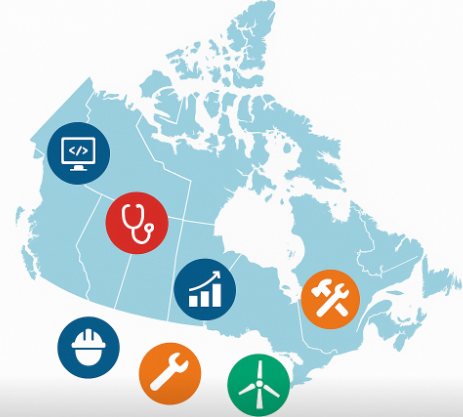
In-Demand Jobs & Salaries by Canadian Province
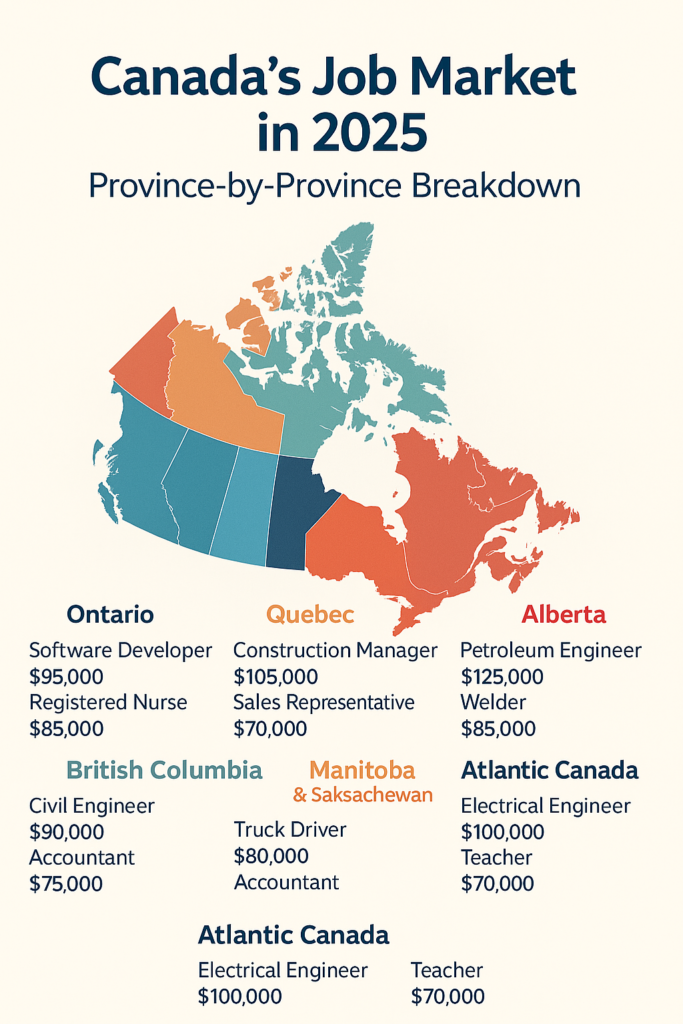
Understanding the local economy is essential for a successful job search. Each province has its unique strengths and hiring needs, driven by its dominant industries and demographic makeup. This province-by-province breakdown will help you pinpoint where your skills are in the highest demand.
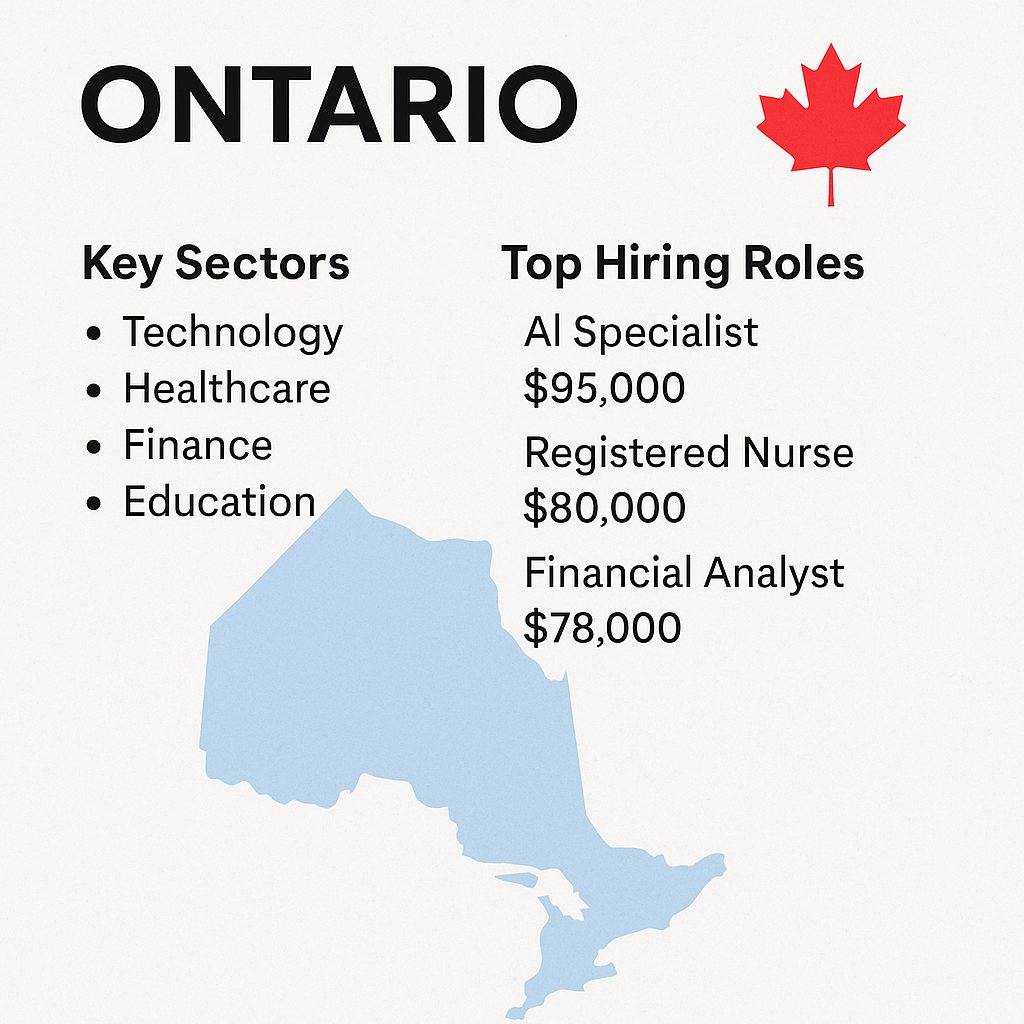
Ontario Job Market: Tech, Healthcare & Finance
As Canada's economic engine, Ontario's job market is a diverse and robust ecosystem. The GTA is a tech and finance hub, while the rest of the province demands manufacturing, logistics, and healthcare skills. The focus in 2026 is on high-skill roles that can adapt to rapid technological change and a growing population.
Software Developer Jobs in Canada: With Toronto and Waterloo gaining international recognition as tech hubs, the demand for developers in areas like AI, cybersecurity, and cloud computing is relentless.
- Salaries in Ontario can range from $85,000 to over $130,000 annually, with senior roles commanding higher pay.
Registered Nurse (RN) Jobs in Canada: The healthcare system is under constant pressure to meet the needs of an aging population. Hospitals, long-term care facilities, and community health services are actively recruiting for skilled nurses.
- The typical annual salary for a registered nurse in the province is between $70,000 and $100,000, with specialized roles and experience earning more.
Civil Engineer Jobs in Canada: Significant public infrastructure projects and a booming residential construction market create a sustained need for civil engineers.
- Civil engineers in Ontario can command an annual salary ranging from $75,000 to $120,000, depending on project scope and seniority.
Quebec Job Market: Aerospace & Skilled Trades
Quebec's job market is defined by its strong aerospace, information technology, and renewable energy sectors, concentrated largely in Montreal. The demand for bilingual professionals is a constant trend, giving those who speak both English and French a significant advantage.
Aerospace Engineer Jobs in Canada: Montreal is a global leader in the aerospace industry, and companies are continually seeking skilled engineers for design, manufacturing, and maintenance.
- An aerospace engineer in Quebec can earn an average annual salary between $80,000 and $125,000, with experienced specialists on the higher end.
Database Analyst Jobs in Canada: As businesses across all sectors digitize, the need for professionals who can manage and interpret large datasets is growing exponentially.
- Salaries for a database analyst typically range from $70,000 to $95,000 per year.
Electrician Jobs in Canada: The construction and manufacturing industries, along with a provincial push for sustainable energy, ensure a high demand for skilled electricians.
- An electrician in Quebec can expect to earn an annual salary ranging from $65,000 to $90,000, with trade certification and experience driving higher pay.
Alberta Job Market: Energy & Transportation
Alberta's economy is undergoing a notable diversification, moving beyond its traditional reliance on the oil and gas sector. While energy remains a key player, hiring in 2026 is also strong in technology, transportation, and agriculture. The province offers high wages for skilled roles, often balancing out a more volatile job market.
Heavy-Duty Equipment Mechanic Jobs: The oil and gas, construction, and agriculture industries all depend on skilled mechanics to keep their heavy machinery running.
- Heavy-duty equipment mechanics in Alberta often earn an annual salary between $75,000 and $100,000, reflecting the high-stakes nature of the work.
Transport Truck Driver Jobs in Canada: The vast geography of the province and its role as a transportation hub create a constant need for long-haul and regional drivers.
Software Developer Jobs in Canada: Calgary and Edmonton are developing thriving tech ecosystems, attracting talent in fintech, cleantech, and AI.
- Salaries for software developers in Alberta are competitive, typically ranging from $80,000 to $125,000 annually.

British Columbia Job Market: Tech, Construction & Finance
British Columbia's job market is dynamic, buoyed by a strong technology sector in Vancouver, a robust film and television industry, and enduring demand in tourism and natural resources. The high cost of living, especially in the Lower Mainland, is a key consideration for salary expectations.
Registered Nurse (RN) Jobs in Canada: The province's growing and aging population has created significant vacancies in healthcare, particularly in hospitals and long-term care facilities.
- A registered nurse in B.C. can expect an annual salary between $75,000 and $105,000, with experience and specialization increasing earning potential.
Construction Manager Jobs in Canada: The province's strong real estate and infrastructure development sectors drive a high demand for experienced managers to oversee projects.
- Construction managers in B.C. can earn salaries ranging from $90,000 to over $140,000 per year.
Financial Analyst Jobs in Canada: As a major financial hub on the West Coast, Vancouver offers numerous opportunities for skilled financial professionals in wealth management and corporate finance.
- A financial analyst can typically earn an annual salary between $65,000 and $95,000.

Manitoba & Saskatchewan Job Market: Agriculture & Skilled Trades
The economies of the Prairie provinces are built on a foundation of agriculture, manufacturing, and natural resources. While often overlooked, these provinces offer stable job markets with a lower cost of living, making them attractive options for many job seekers.
Welder Jobs in Canada: The manufacturing, construction, and resource sectors in both provinces have a consistent need for skilled welders.
- A welder in Manitoba or Saskatchewan can earn an annual salary between $60,000 and $85,000, with specialized skills fetching higher wages.
Accountant Jobs in Canada: The stable business environments and agricultural focus create a steady demand for accountants and bookkeepers in both corporate and small business settings.
- An accountant can expect an annual salary ranging from **$55,000 to $85,000.
Agricultural Technician Jobs in Canada: As a cornerstone of the provincial economies, the agricultural sector is always looking for skilled technicians to operate and maintain specialized equipment.
- An agricultural technician can earn between $50,000 and $70,000 per year.

Atlantic Canada Job Market: Healthcare & Tech
Atlantic Canada is experiencing a quiet renaissance. While traditionally known for fishing and tourism, the region is seeing significant growth in information technology, ocean technology, and healthcare. Population growth driven by immigration is fueling a strong labour market, particularly in urban centres like Halifax.
Cybersecurity Analyst Jobs in Canada: Halifax is emerging as a tech hub, and the demand for IT professionals, especially in cybersecurity, is rapidly increasing.
- A cybersecurity analyst in Atlantic Canada can earn an annual salary ranging from $70,000 to $100,000.
Licensed Practical Nurse (LPN) Jobs in Canada: With an aging population across the region, there is a critical need for licensed practical nurses in various healthcare settings.
- Salaries for an LPN typically fall between $55,000 and $75,000 per year.
Skilled Trades Jobs in Canada: Construction and infrastructure projects are creating a strong market for various skilled trades, from electricians to carpenters and mechanics.
- Salaries for skilled trades workers in the region typically range from $60,000 to $90,000 annually.
Top 2026 Job Trends in Canada
Beyond provincial differences, several industries are seeing transformative growth across Canada. These sectors are not only creating jobs but also shaping the skills and technologies of the future.
Technology and AI Jobs
The technology sector remains a powerhouse, with a growing focus on applied Artificial Intelligence (AI) and machine learning. As companies integrate AI into their operations, the demand for AI specialists, data scientists, and machine learning engineers is surging. These roles require a unique blend of technical expertise and problem-solving skills. To make sure your professional experience accurately reflects the needs of this evolving field, streamline your resume with an AI Resume Builder.

Hiring Trends in Canadian Healthcare
The healthcare sector faces immense pressure from an aging population and persistent staffing shortages. The need extends beyond doctors and nurses to include medical technicians, home care providers, physiotherapists, and medical administrative assistants. This is a sector with stable, long-term employment prospects and a consistent need for new talent.

Skilled Trades and Construction Career Growth
The skilled trades are experiencing a golden age of opportunity. Due to retirements and infrastructure projects, demand for skilled trades like electricians and welders is at an all-time high. These are well-paying roles that are crucial to the country's economic function.

Data Analyst and AI Roles in 2026
The proliferation of data is changing how every business operates. Roles like data analysts, data scientists, and business intelligence specialists are in high demand across industries, from finance to retail. These professionals help companies make informed decisions and gain a competitive edge. When preparing for an interview in these highly technical fields, you can gain a significant advantage by using an AI Job Interview Prep tool to practice your responses and refine your communication skills.

Canada's Renewable Energy Job Sector
Canada's commitment to climate action is driving growth in the renewable energy sector. The market is expanding rapidly, creating jobs for solar panel installers, wind turbine technicians, and environmental engineers. These positions are not just about technical skills; they are about being part of a larger movement towards a sustainable future.

Canadian Salary Guide & Negotiation Trends
In Canada's 2026 job market, salary is a complex factor influenced by more than just job title. Salaries in major cities like Vancouver and Toronto are often higher to offset the increased cost of living. Provinces like Alberta and Saskatchewan offer competitive wages, especially in skilled trades, without major cities' high housing costs. Labour shortages in high-demand sectors like healthcare and technology often lead to higher pay for top talent. When evaluating a job offer, consider the full compensation package, including benefits, bonuses, and growth potential. To ensure you're asking for a fair wage, you can use an AI Salary Checker to compare your expected earnings with current market data

2026 Canadian Job Search Strategy
A successful job search in 2026 requires more than just sending out resumes. It demands a strategic, multi-faceted approach.
- Resume Optimization: Modern hiring processes are often automated. Use an AI Resume Builder to create a customized, ATS-friendly resume that highlights keywords from the job description. Your resume must be more than a list of duties; it should be a marketing document showcasing your achievements. For more detailed advice, refer to a comprehensive guide on resume tips for Canada.
- Networking and Upskilling: Many job opportunities are never publicly advertised. Building a professional network on platforms like LinkedIn and attending industry events can unlock these hidden opportunities. Taking courses in high-demand fields like data analytics, cybersecurity, or project management can make your profile more attractive.
- Interview Preparation: Acing the interview is the final hurdle. Thoroughly research the company and the role, and prepare to answer both technical and behavioural questions. Practicing your answers with an AI Job Interview Prep tool can help you refine your message and boost your confidence.

The Canada's 2026 job market is one of resilience and opportunity. Focus on hiring trends and high-growth sectors to confidently pursue your career goals in Canada's 2026 job market. The key to success lies in being proactive, informed, and strategic. We encourage you to explore the vast array of opportunities available. Begin your search for jobs in Canada on Dr. Job today to take the next step in your career.
FAQs About Jobs in Canada (2026)
How to get a job in Canada in 2026?
To get a job in Canada in 2026, focus on identifying in-demand roles that match your skills and experience. Prepare a Canadian-style resume and cover letter, then apply through trusted platforms like Dr. Job Pro, Indeed, and Job Bank Canada. Networking and maintaining an updated LinkedIn profile remain key to standing out.
What are the most in-demand jobs in Canada in 2026?
The most in-demand jobs in Canada for 2026 include roles in healthcare (Registered Nurses, Care Aides), technology (AI Engineers, Cybersecurity Analysts, Software Developers), renewable energy, and skilled trades (Electricians, Plumbers, Welders). Demand is driven by an aging workforce and continued digital transformation.
What is a good salary in Canada in 2026?
A good salary in Canada in 2026 ranges between $75,000 and $95,000 per year, depending on your location and profession. Higher living costs in cities like Toronto and Vancouver may push this range upward, while smaller provinces generally offer a lower cost of living with competitive pay.
How do I get a work visa for Canada in 2026?
To obtain a Canadian work visa in 2026, you’ll need a valid job offer from a Canadian employer, often supported by a Labour Market Impact Assessment (LMIA). Skilled workers can also apply through permanent residency pathways like Express Entry or the Provincial Nominee Program (PNP), which streamline access to work permits.
Which industries are hiring the most in Canada in 2026?
The fastest-growing industries in Canada for 2026 include healthcare, technology (AI, cybersecurity, data analytics), clean energy, and construction. Financial services and logistics are also expanding as the economy adapts to hybrid work models and increased digitalization.
Are remote or hybrid jobs still popular in Canada?
Yes, hybrid and remote jobs remain a major part of Canada’s work culture in 2026. Many employers now offer flexible work arrangements across sectors such as tech, marketing, customer service, and consulting. For insights into building a remote career, visit our Ultimate Guide to Remote Tech Careers.
Author
Written by Suleiman Alnsour, a leading authority on global career analysis and job market trends. Our expertise provides job seekers with authoritative insights on the Canadian job market, helping them achieve career success.

 2025-10-20
 2025-08-08
 2025-08-06
 2025-08-05
 2025-08-01


